
Turpentine Substitute That's Safer and More Effective
June 1, 2026
Many industrial manufacturers still use turpentine for cleaning, thinning, and formulation work. Rising concerns around worker exposure, VOC emissions, and disposal requirements have increased demand for a safer turpentine substitute that still delivers strong performance.
The
VertecBio™ ELpine product line includes bio-based solvent options designed for coatings, inks, adhesives, and industrial cleaning applications. These products help companies reduce hazardous solvent use without major process changes.
Why Industries Are Replacing Turpentine
Industries are replacing turpentine because safer and lower-VOC solvents are now available that deliver similar or better performance in industrial applications.
Manufacturers are under pressure to reduce hazardous chemical exposure, improve workplace conditions, and lower environmental impact. Traditional turpentine creates challenges due to flammability, strong odors, VOC emissions, and worker irritation during routine handling and cleaning processes.
Many companies are also trying to reduce the regulatory burden tied to hazardous solvents. Storage requirements, disposal costs, and air quality compliance can increase operating expenses over time. A modern turpentine substitute can help simplify solvent management while supporting sustainability initiatives.
Bio-based solvents have gained traction because they deliver strong solvency performance across coatings, inks, adhesives, and industrial cleaning applications. For distributors and formulators, this shift creates an opportunity to offer customers a turpentine alternative that aligns better with current safety and environmental expectations.
Health and Safety Risks of Turpentine
Turpentine creates several health and safety concerns in industrial environments, especially during routine exposure.
Workers may experience headaches, dizziness, skin irritation, or respiratory discomfort from solvent vapors. Strong odors can also affect overall workplace conditions in enclosed production facilities.
Flammability remains another major concern. Turpentine requires careful storage and handling due to its combustible nature, which can increase safety risks during daily operations.
Environmental regulations have added more pressure to reduce traditional solvent use. VOC emissions tied to turpentine can create compliance challenges and higher disposal costs for manufacturers handling large solvent volumes.
These issues have pushed many companies to search for a safer turpentine substitute that still delivers effective cleaning and solvency performance.
Common Turpentine Alternatives Compared
Manufacturers have several options when searching for a turpentine alternative, but performance and safety can vary widely between products.
Mineral Spirits
Mineral spirits remain a common replacement for thinning and cleaning applications. They are widely used across industrial operations, but still contain petroleum-based compounds and VOCs. Many facilities trying to reduce hazardous solvent use eventually move away from mineral spirits for the same reasons they replace turpentine.
Acetone
Acetone delivers fast evaporation and strong solvency, especially in coatings and cleaning applications. Its high flammability and rapid drying rate can create handling challenges in production environments.
Citrus-Based Solvents
Citrus solvents have gained popularity due to their renewable content and lower odor levels. Some products work well for lighter cleaning applications, though certain formulations struggle against heavy industrial residues or slower drying requirements.
Bio-Based Solvent Blends
Modern bio-based blends are designed for industrial performance while reducing VOC exposure and hazardous ingredients. The VertecBio™ ELpine product line combines strong solvency power and safer handling characteristics, making it a practical turpentine substitute for manufacturers focused on safety and sustainability goals.
Where Traditional Substitutes Fall Short
Many conventional turpentine substitutes reduce one problem while creating another.
Mineral spirits still carry petroleum-related health and environmental concerns. Acetone dries quickly, but its fast evaporation rate can make cleaning applications harder to control. Some citrus-based solvents leave behind residue or lack the strength needed for heavy industrial soils.
Performance consistency creates another challenge. Certain solvent replacements work well in small-scale cleaning tasks but struggle in demanding production environments involving coatings, inks, adhesives, or equipment maintenance.
Compatibility can become an issue, too. Manufacturers want a turpentine substitute that fits existing processes without major reformulation, equipment changes, or extended downtime. Products that require operational adjustments often create friction during implementation.
VertecBio™ ELpine: A Bio-Based Turpentine Substitute
The VertecBio™ ELpine line includes high-performance bio-based solvents developed for manufacturers searching for a safer and more effective turpentine alternative.
Each product serves different industrial cleaning and formulation needs.
VertecBio™ ELpine 118 is commonly used for vessel cleaning, paint line flushing, spray gun cleaning, and paint booth maintenance. Its high solvency strength makes it effective for demanding industrial cleanup applications involving coatings and residues.

VertecBio™ ELpine #1 works well for adhesives, paints, coatings, and inks. Manufacturers also use it for parts cleaning, degreasing, adhesive removers, and ink cleaning formulations. Its pleasant pine scent and 100% bio-based composition make it a strong replacement for citrus-based d-Limonene products.
VertecBio™ ELpine #4 is designed for parts cleaning and degreasing applications involving oily materials, adhesives, and inks. It performs well in industrial cleaning environments where manufacturers want strong solvency performance alongside bio-based chemistry.
Across the ELpine product line, manufacturers gain solvents that reduce reliance on petroleum-based chemicals while fitting into existing industrial processes.
Industrial Applications for VertecBio™ ELpine
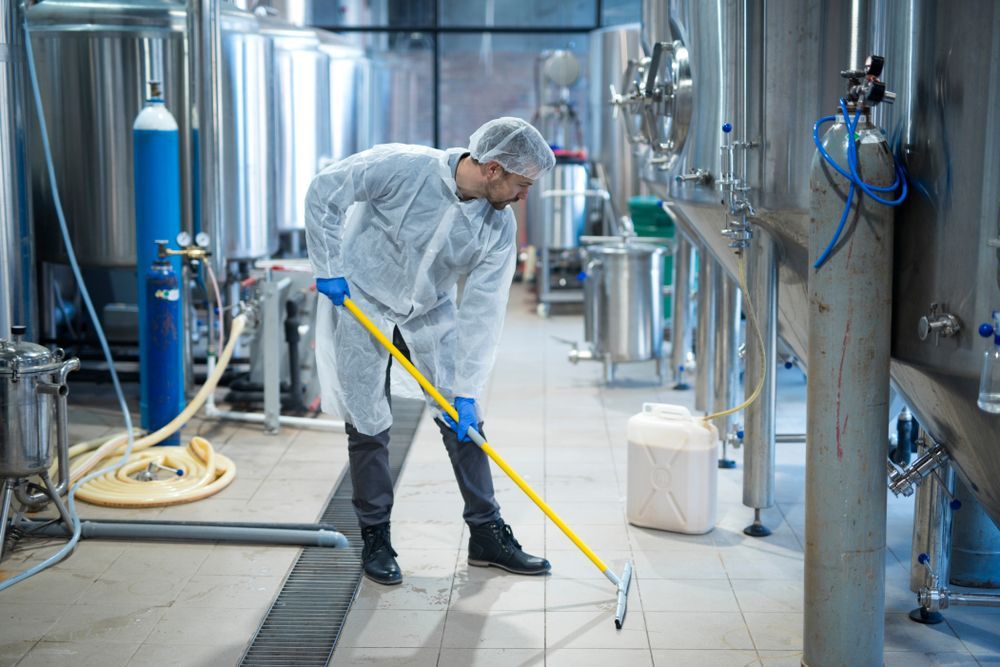
VertecBio™ ELpine products are used across industrial cleaning, coatings, adhesives, and ink manufacturing operations that traditionally rely on turpentine and petroleum-based solvents.
VertecBio™ ELpine 118 is frequently used for cleaning reactors, storage tanks, tank trucks, ISO tanks, spray guns, and paint booths. It is especially effective for facilities handling polyurethane, enamel, and UV-curable coatings.
VertecBio™ ELpine #1 and ELpine #4 are commonly used for parts cleaning, degreasing, adhesive removal, and ink cleanup applications. Both products perform well against oily residues and heavy industrial soils while helping manufacturers move away from traditional petroleum and citrus-based solvents.
The ELpine product line can also be used in formulations for ink cleaners, hand wipes, paint strippers, graffiti removers, and floor-stripping products. This flexibility gives formulators and distributors multiple solvent options for different production environments and cleaning requirements.
How to Switch From Turpentine to Vertec BioSolvents
Switching to a bio-based turpentine substitute does not need to disrupt existing operations. Many manufacturers begin the transition through side-by-side testing in cleaning, thinning, or formulation applications to compare performance against current solvents.
Vertec BioSolvents works closely with formulators and distributors to identify the right solvent blend for specific production requirements. This helps companies evaluate solvency strength, drying characteristics, material compatibility, and process performance before full implementation.
For manufacturers trying to reduce hazardous solvent exposure without sacrificing efficiency, the VertecBio™ ELpine product line creates a practical path away from traditional turpentine products.
Contact Vertec BioSolvents
to request a sample or discuss application requirements with the team.