Replacing Acetone: Safe, Non-Toxic Acetone Alternatives to Meet Your Needs
December 5, 2025
Acetone, sometimes known also as Propanone, is a good industrial solvent for many plastics and synthetic fibers. It is used for everything from thinning paints and resins to cleaning tools. It is also used as one of the volatile components of paints and varnishes. However, there are several crucial drawbacks that make finding a replacement solvent of the utmost importance. Here, we will outline a few of the reasons why you should begin to replace acetone and how to get started.
Why Do I Need to Replace Acetone?
Acetone is a commonly used industrial solvent valued for its effectiveness and fast evaporation. However, increasing concerns about worker safety, environmental impact, and regulatory pressure have prompted many manufacturers to explore safer options.
Finding an acetone substitute is no longer just a matter of preference. For many operations, it is a practical step toward reducing risk, improving compliance, and meeting sustainability goals.
Negative Health Concerns & Toxicity
Acetone exposure can lead to a range of health issues, particularly in facilities where workers experience regular contact or frequent vapor inhalation. Short-term exposure may cause eye, skin, and respiratory irritation, while higher concentrations can contribute to headaches, dizziness, and fatigue.
Prolonged or repeated exposure increases concern, as it can worsen skin dryness, create sensitization issues, and contribute to chronic irritation for workers. These risks have encouraged many companies to evaluate safer options and consider an acetone alternative that reduces exposure hazards without disrupting existing processes.
Flammability and Storage Risks
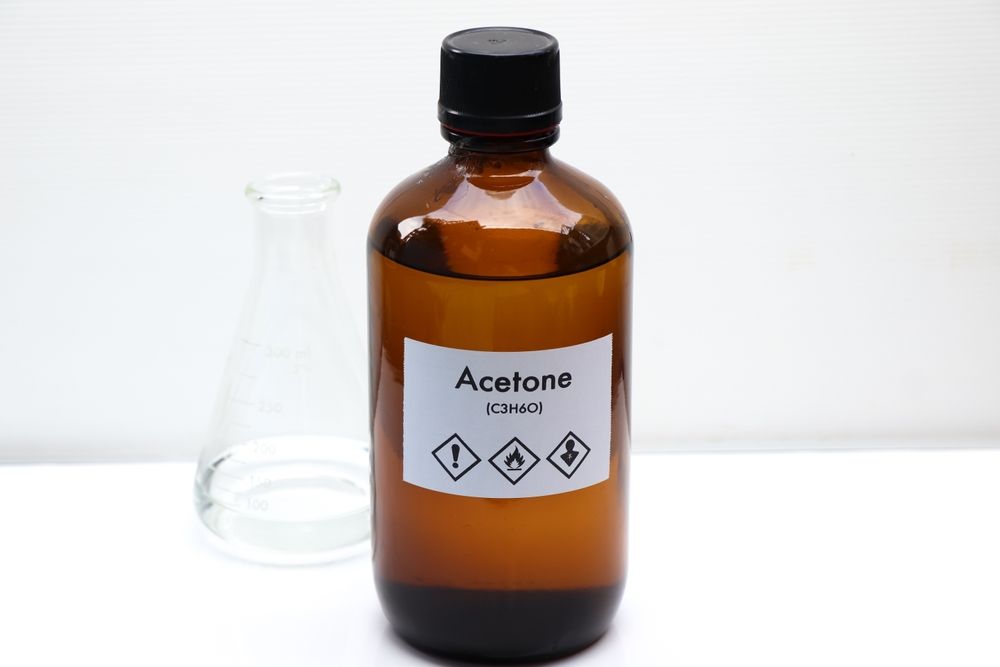
Acetone’s high flammability makes it a serious safety concern in industrial settings. Its vapors can ignite easily, even at low temperatures, creating fire risks around drains, electrical equipment, and open flames.
Storing acetone requires strict safety protocols, including dedicated flammable storage cabinets and careful separation from ignition sources. These precautions can add cost and complexity to operations, leading many facilities to seek a safer acetone alternative that reduces fire risk without compromising performance.
Operational Hassles and Compliance
Using acetone at scale often introduces administrative and logistical challenges. Disposal typically requires hazardous waste handling procedures or specialized recycling services, both of which can increase operational costs.
Many states have additional reporting requirements tied to acetone usage, and federal agencies like OSHA and the NFPA classify it as a flammable and hazardous substance. Staying compliant can be time-consuming and costly, which is why many organizations are now evaluating safer, easier-to-manage alternatives.
Safer Alternatives to Acetone for Industrial Applications
Companies across manufacturing, coatings, and chemical processing are actively seeking safer and more sustainable acetone substitutes that maintain performance without the health, safety, or compliance challenges. Several alternatives offer comparable solvency with lower toxicity, reduced flammability, and fewer regulatory burdens.
Methyl Acetate
Methyl acetate is a widely used acetone alternative due to its strong solvency, lower toxicity, and reduced flammability. It performs well in coatings, adhesives, and cleaning applications where fast evaporation and effective resin solubility are critical.
In addition to its technical performance, methyl acetate has a milder odor, which can improve working conditions in production environments. Its classification as a less hazardous material also simplifies storage, handling, and compliance in many industrial settings.
Bio-Based Solvent: VertecBio™ ELSOL® AR
VertecBio™ ELSOL® AR is a high-performance, bio-based solvent developed as a safe and sustainable acetone substitute. Formulated from renewable resources, it provides excellent solvency for applications such as paint, coatings, and ink formulations, without the health and environmental risks associated with traditional solvents.
This non-toxic, biodegradable solution contains no hazardous air pollutants (HAPs), ozone-depleting chemicals, or Proposition 65-listed substances. ELSOL® AR offers reliable performance in demanding industrial environments while helping companies reduce emissions and improve worker safety.
Usage and Environmental Benefits
In-house testing has found ELSOL AR to be 20-30 percent more efficient in viscosity reduction than acetone. It also has an excellent flow characteristic when in formulation, high loading capacity, and can be customized for maximum performance for your specific industry needs.
Environmentally speaking, ELSOL AR is easy and inexpensive to distill or recycle, 100% biodegradable to carbon dioxide and water, and has no environmentally hazardous ingredients. Additional environmental benefits of ELSOL AR include:
- Carbon neutral
- No ozone-depleting chemicals (ODCs).
- Non-carcinogenic (not listed on California Proposition 65)
- No hazardous air pollutants (HAPs)
Additional Alternatives for Acetone
Other acetone substitutes include mineral spirits, isopropyl alcohol (IPA), and dimethyl carbonate (DMC). Depending on the application, these solvents may offer acceptable performance, though often with trade-offs in evaporation rate, safety, or environmental impact.
While options like DMC show promise for cleaner formulations, few alternatives match the combined performance, safety, and sustainability of purpose-built bio-based solutions.
How to Choose the Right Acetone Substitute for Your Application
Selecting the right acetone alternative starts with understanding your application’s specific requirements, such as solvency strength, evaporation rate, compatibility with materials, and regulatory needs. Some operations may prioritize safety and compliance, while others focus on performance and efficiency in high-throughput environments.
VertecBio™ ELSOL® AR is well-suited for manufacturers who need a non-toxic, high-performing solvent that integrates easily into existing processes. Its customizable blends and proven effectiveness across coatings, inks, and cleaning applications make it a reliable choice for teams ready to move away from hazardous materials without compromising results.
Vertec BioSolvents: Superior Performance, Sustainable Technology
Vertec BioSolvents develops high-performance, bio-based alternatives to traditional solvents, including safe and effective options for replacing acetone. Manufactured in the U.S. using renewable resources, our products are designed to meet the demands of industrial applications while helping companies improve safety, reduce emissions, and meet sustainability goals.
If you're evaluating options for a safer, cleaner acetone substitute, our team is here to help you find the right solution for your application. Get in touch today to learn more.

VertecBio™ ELSOL® AR
VertecBio™ ELSOL® AR is designed as a high-performance, bio-based replacement for Acetone. It provides 20-30% better efficiency in viscosity reduction, is non-flammable, and contains no hazardous air pollutants (HAPs).