Methyl Ethyl Ketone (MEK) Substitute That's Safer and More Effective
March 12, 2026
Methyl Ethyl Ketone (MEK) has long been used in manufacturing for cleaning, degreasing, and thinning coatings. Its strong solvency power makes it effective for dissolving resins, oils, and adhesives across many industrial processes.
At the same time, growing safety concerns and stricter environmental regulations have pushed many companies to search for a MEK substitute that
delivers similar performance while reducing toxicity, emissions, and
worker exposure.
Why Companies Are Searching for a MEK Substitute
MEK remains widely used in industrial cleaning, coatings, and adhesive applications, yet many manufacturers now look for safer options. Worker exposure concerns, VOC regulations, and handling risks have pushed facilities to reevaluate solvent choices.
MEK can irritate the eyes, skin, and respiratory system, which often requires strict ventilation and safety procedures. Its high volatility also contributes to VOC emissions that fall under tightening environmental regulations.
These pressures have increased demand for a methyl ethyl ketone substitute that maintains strong solvency power while offering lower toxicity, reduced emissions, and compatibility in existing processes.
Common MEK Replacements and How They Compare
Several solvents are commonly used to replace MEK in industrial processes. Each provides certain benefits, yet many come with performance limitations, safety concerns, or regulatory drawbacks. Understanding these options helps manufacturers determine which solvents can realistically function as a practical MEK substitute in demanding environments.
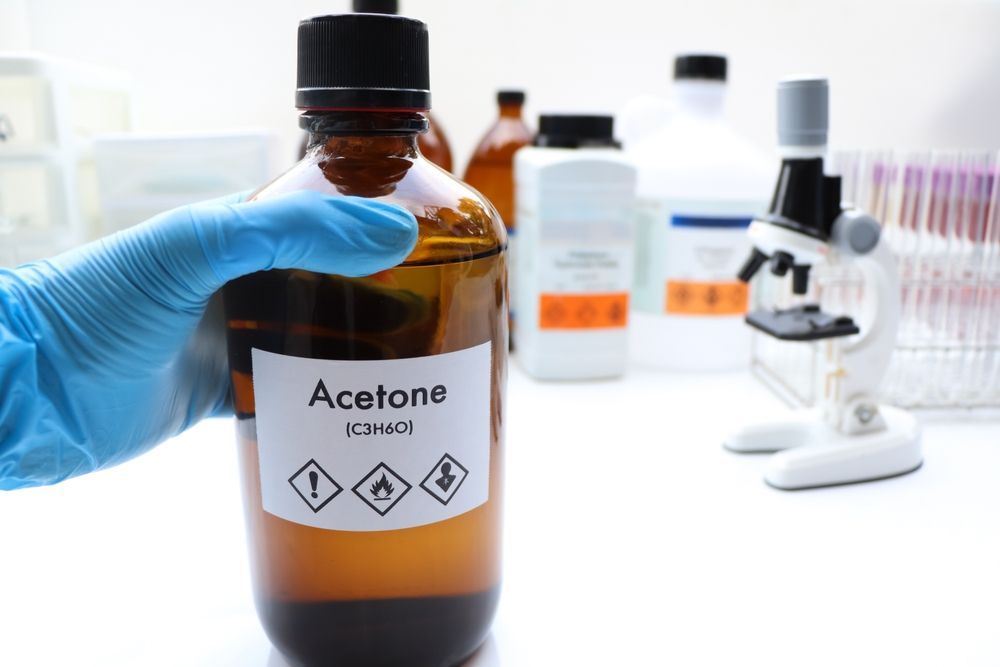
Acetone
Acetone is a common solvent used when companies attempt to replace MEK. It evaporates quickly and dissolves many resins, oils, and adhesives. Its wide availability and relatively low cost make it appealing for large-scale industrial use.
The fast evaporation rate can create problems in certain processes. Short working time may require repeated application during cleaning or coating tasks. Acetone also remains highly flammable and contributes to VOC emissions. In many operations, it does not function as a direct MEK substitute when a longer dwell time is required.
Methyl Isobutyl Ketone (MIBK)
Methyl Isobutyl Ketone, or MIBK, evaporates more slowly than MEK and acetone. This slower rate can improve working time in coatings, inks, and adhesive formulations.
The solvent dissolves many resins used in industrial coatings and adhesives, which allows it to replace MEK in some formulations. However, MIBK still carries toxicity concerns and flammability risks. VOC regulations may also limit its use in certain regions, which means the overall safety and environmental profile changes very little.
Glycol Ethers & Specialty Solvents
Glycol ethers and specialty solvent blends are sometimes selected when stronger solvency or slower evaporation is needed. These solvents can dissolve a wide range of resins used in coatings, inks, and adhesives.
In some cases, glycol ethers improve flow and leveling in coatings or stabilize resin systems. However, several glycol ethers still carry toxicity concerns and regulatory scrutiny. Specialty solvent blends may also increase formulation costs or create compatibility issues in existing processes.
The Challenge with Traditional MEK Replacements
Many solvents can replace MEK in certain applications, yet few match its balance of solvency strength, evaporation rate, and formulation compatibility. Switching to common replacements can introduce new operational problems.
Fast-evaporating solvents reduce working time during cleaning or coating applications. Slower solvents may leave residue or extend drying times. Some alternatives still carry toxicity concerns or fall under similar VOC restrictions.
These limitations push manufacturers to search for solvents that maintain strong performance while lowering toxicity, reducing emissions, and fitting into existing processes without major formulation changes.

VertecBio™ ELSOL® KTR1: Lower Toxicity, Eco-Friendly MEK Substitute
VertecBio™ ELSOL® KTR1 addresses many of the limitations found in traditional solvent replacements. The bio-based solvent delivers strong solvency for oils, greases, adhesives, and resins used in industrial processes while supporting a lower toxicity profile.
KTR1 is
formulated from renewable resources and designed for compatibility in cleaning, coatings, and formulation environments. For companies evaluating a safer MEK substitute, it provides strong performance along with reduced environmental impact.
Industrial Applications for VertecBio™ ELSOL® KTR1
VertecBio™ ELSOL® KTR1 works across several industrial processes that traditionally rely on ketone solvents. Its solvency strength allows manufacturers to use it in cleaning operations, coatings work, and formulation environments.
Cleaning & Degreasing
Industrial equipment accumulates oils, greases, and process residues that must be removed before maintenance or production runs. VertecBio™ ELSOL® KTR1 dissolves many of these contaminants and works well for parts cleaning, equipment wipe downs, and maintenance operations.
Facilities can use it in manual cleaning processes or solvent-based systems where strong solvency is required.
Surface Preparation
Surface preparation plays an important role in coating adhesion and product quality. Residual oils, machining fluids, and contaminants can interfere with coating performance.
KTR1 helps remove these materials before painting, bonding, or coating steps. Clean surfaces improve adhesion and reduce coating defects during production.
Paints, Coatings & Thinning
Solvents influence viscosity, application behavior, and drying characteristics in coating systems.
KTR1 dissolves many coating resins and can be used in certain paint and coating systems where ketone-type solvents are traditionally used.
Resins, Inks, and Adhesives Formulations
Formulators require solvents that dissolve resins while maintaining stability in the final product. KTR1 works in a range of resin systems used in inks, adhesives, and coatings.
Its solvency strength allows formulators to explore lower-toxicity solvent systems without sacrificing performance in many industrial formulations.
How to Switch from MEK to Vertec BioSolvents
Replacing MEK does not always require a complete process redesign. Many facilities begin with testing in cleaning operations or formulation trials to evaluate solvency performance, drying behavior, and material compatibility.
A typical transition process may include:
- Small-scale testing in existing cleaning or degreasing systems
- Evaluation of coating or resin compatibility in lab formulations
- Adjustments to evaporation time or application methods, if needed
- Pilot use in production environments before full adoption
Because VertecBio™ ELSOL® KTR1 works in a wide range of industrial applications, many manufacturers can integrate it into existing processes without major equipment changes.
Companies searching for safer solvent options often start with application testing and technical consultation. Vertec BioSolvents can help evaluate where KTR1 fits within current operations and formulations.
To learn more about VertecBio™ ELSOL® KTR1 or request a sample,
contact the Vertec BioSolvents team to discuss your application and solvent requirements.