Methylene Chloride (DCM) Alternatives: Safer Options for Your Applications
January 19, 2026
The EPA’s final rule on methylene chloride (DCM) sets an April 2026 deadline for phasing out most commercial uses under the Toxic Substances Control Act (TSCA). For manufacturers, this is more than a regulatory update. It puts core operations, supply chains, and product performance at risk.
DCM earned its place for a reason. It delivers strong solvency, fast evaporation, and broad material compatibility. Replacing it isn’t simple.
Industries that rely on DCM for paint stripping, adhesive removal, or degreasing now face the challenge of reformulating without losing efficiency.
Choosing a suitable methylene chloride alternative has become a priority. Businesses need replacement solvents that match DCM’s performance, without the steep costs of WCPP compliance or process disruption.
What Is Methylene Chloride (DCM) and What Is It Used For?
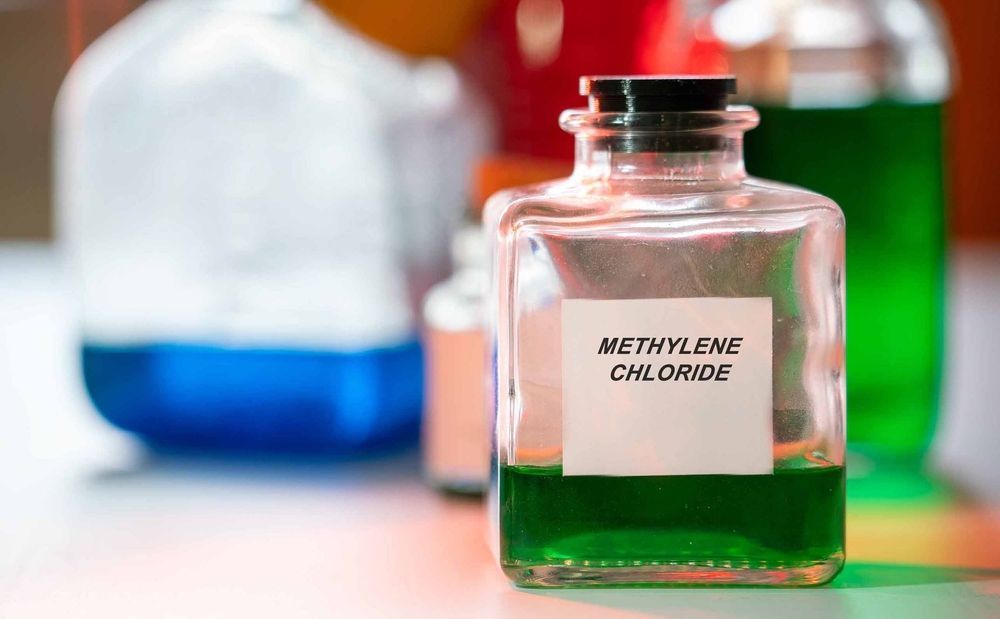
Methylene chloride, or dichloromethane (DCM), is a fast-evaporating chlorinated solvent valued for its powerful solvency and broad material compatibility. It has played a key role in industrial processes for decades.
DCM is commonly used for:
- Paint and coating removal
- Adhesive thinning and cleanup
- Metal degreasing
- Resin and polymer processing
- Pharmaceutical manufacturing
Its high Kauri-butanol (Kb) value of 136 reflects its ability to dissolve tough residues quickly. DCM also works across a wide range of materials, which makes it a go-to solvent in applications that require both speed and strength.
Despite its effectiveness, health and safety risks linked to exposure have triggered strict regulatory actions in the U.S. and abroad.
Is Methylene Chloride Banned? Understanding the EPA TSCA Final Rule
In April 2023, the U.S. Environmental Protection Agency (EPA) finalized a rule under the Toxic Substances Control Act (TSCA) that restricts most commercial uses of methylene chloride. This action followed years of mounting evidence linking DCM exposure to serious health risks, including neurological damage, liver toxicity, and cancer.
The final rule gives businesses until April 2026 to phase out DCM in manufacturing and industrial processing. After that point, continued use will trigger strict oversight under the Workplace Chemical Protection Program (WCPP), requiring extensive exposure monitoring, medical surveillance, and engineering controls.
These requirements are both costly and operationally disruptive. For many companies, the added burden is unsustainable. As a result, chemical formulators and manufacturers across multiple sectors are searching for safer methylene chloride alternatives that maintain performance without triggering WCPP compliance.
The deadline is approaching. Any delay in evaluating replacement solvents risks stalled production, regulatory penalties, or a rushed transition that sacrifices quality.
The Essential Move to a Methylene Chloride Substitute Solvent
For operations that have relied on methylene chloride, the path forward is clear. Either absorb the cost and complexity of WCPP compliance, or shift to a safer solvent that meets the same technical standards.
The second option is more sustainable. But
not every substitute can match what DCM delivered. Many alternative solvents fall short in solvency strength, evaporation rate, or material compatibility. That puts formulators in a difficult position, choosing between safety and performance.
The right methylene chloride substitute avoids that tradeoff. It maintains process efficiency while removing the exposure risks and compliance burden. For chemical distributors, this is an opportunity to provide customers with smarter, regulation-ready solutions that keep production moving.
Why Traditional "Drop-In" Replacements Often Fail
When methylene chloride became a regulatory concern, many formulators looked for quick drop-in replacements. The idea was simple: swap one solvent for another without changing the process. In most cases, that approach didn’t hold up.
Many substitutes lacked the solvency strength needed to break down coatings or adhesives efficiently. Some created compatibility problems with plastics, elastomers, or sensitive metals. Slower evaporation rates introduced new bottlenecks in drying or curing. In some cases, the replacement carried its own health or compliance risks, creating new problems instead of solving the original ones.
DCM delivered a rare mix of power, speed, and versatility. Most traditional replacements fall short in one or more of those categories. That leaves formulators stuck between underperforming alternatives or costly process changes.
To move forward, the solution has to match DCM’s capabilities where it counts. Anything less compromises product performance or adds unnecessary cost.
Introducing Vertec BioSolvents: The Green Solution to the DCM Ban
Vertec BioSolvents develops high-performance, bio-based alternatives that meet the technical demands of methylene chloride applications. These solvents are engineered for strength, speed, and compatibility, without triggering WCPP requirements or exposing workers to hazardous chemicals.
Two flagship solutions offer a direct path forward for distributors and manufacturers who need reliable methylene chloride alternatives.
VertecBio Gold®: The Heavy-Duty Stripping Powerhouse
VertecBio Gold® is designed for applications that require aggressive stripping power, particularly in coatings and adhesive removal. It offers a strong solvency profile that rivals methylene chloride, with a high Kb value that makes it effective on cured paints, varnishes, and industrial adhesives.
Unlike many substitutes, VertecBio Gold® maintains fast-working performance without introducing flammability or high toxicity. It is non-HAP, VOC-exempt in select regions, and derived from renewable feedstocks. That gives manufacturers a safer solvent that meets both technical and regulatory requirements.
Typical applications include:
- Paint stripping in OEM and maintenance settings
- Resin and adhesive breakdown
- High-strength cleaning for equipment and tools
For operations transitioning away from DCM, VertecBio Gold® offers comparable power without the compliance overhead.
ELSOL® Series: High-Performance Drop-In Replacements
The ELSOL® Series is built for formulators who need a true drop-in replacement for methylene chloride without compromising efficiency or material safety. These solvents combine balanced evaporation rates with strong solvency performance across a wide range of substrates.
ELSOL® solvents perform well in:
- Precision cleaning
- Resin removal
- Degreasing applications
- Coatings formulation
Kb values range from moderate to high, allowing each product to align with specific process needs. Some are tuned for fast flash-off, others for high solvency strength or compatibility with plastics and metals.
Bio-based and non-HAP, the ELSOL® Series avoids the regulatory triggers tied to chlorinated solvents. For teams ready to move away from DCM, these products fit into existing workflows without compromising results.
Performance Without Compromise: The Vertec Bio-Based Advantage
Vertec solvents are built for industrial performance. Each one is developed around key metrics like Kb value, evaporation rate, and material compatibility to meet the same demands as methylene chloride.
They perform across a wide range of applications, from stripping and degreasing to cleaning and surface prep. Transitioning to these solvents doesn’t require changes to equipment or process.
All products are bio-based, non-HAP, and outside the scope of WCPP oversight. That helps teams avoid compliance costs while keeping production on track.
How to Switch from DCM to Vertec BioSolvents
Switching away from methylene chloride starts with identifying the performance requirements of your current solvent. Solvency strength, evaporation rate, and material compatibility all factor into selecting the right replacement.
Vertec BioSolvents works directly with chemical distributors and manufacturers to match each application with the right bio-based solution. Some users need aggressive stripping power. Others need a functional drop-in cleaner that maintains process speed. Our technical team supports the transition from initial testing through full-scale use.
There’s no reason to wait until the 2026 deadline. Early planning avoids production delays, added compliance costs, and rushed reformulation.
Contact Vertec BioSolvents to request samples, review technical data, or talk through your replacement strategy. Our team is ready to help you move forward.