
Paint Gun Cleaner: Bio-Based Solvents That Work
November 18, 2026
Paint residue left inside spray guns, fluid lines, and nozzles can cause clogs, coating contamination, and costly production delays. For industrial coating operations, the right paint gun cleaner can improve equipment maintenance, reduce solvent consumption, and maintain consistent finish quality.
Acetone and lacquer thinner remain common cleaning solvents, but their evaporation rates, handling requirements, and effectiveness across different coating chemistries can present challenges. Bio-based alternatives offer another option for removing stubborn residues from industrial paints and coatings while supporting safer solvent selection and more efficient cleaning practices.
Why Paint Gun Cleaner Choice Matters for Modern Coatings
Modern industrial coatings contain resins, pigments, and additives that can leave stubborn deposits inside spray equipment. High-solids coatings, epoxies, and polyurethanes can be particularly difficult to remove once curing begins. Inadequate cleaning can restrict fluid flow, affect spray patterns, and introduce contaminants into subsequent coating applications.
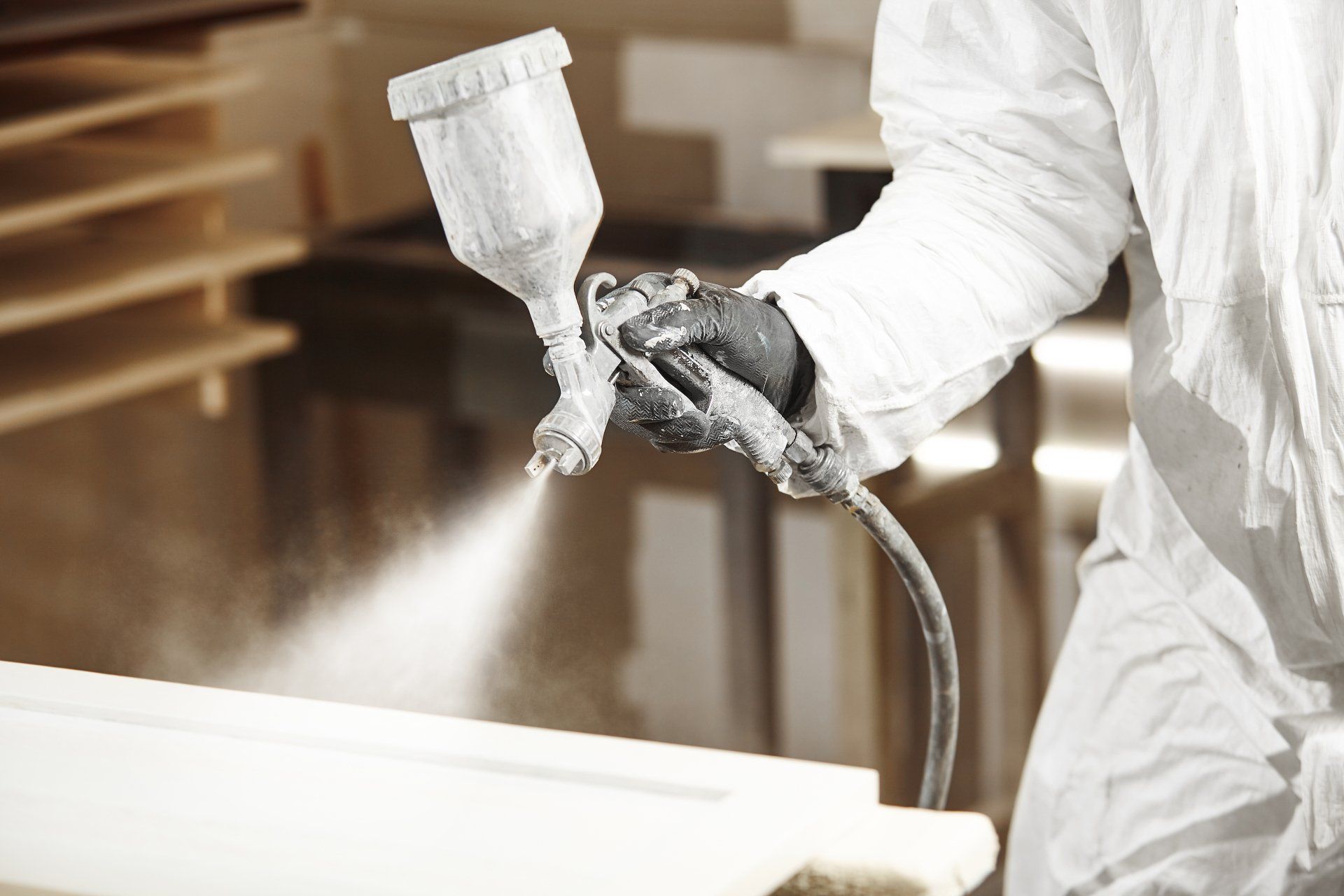
Solvent selection directly affects cleaning time and equipment performance. Fast-evaporating cleaners may require repeated applications, while incompatible solvents can leave residue or damage seals and other equipment components.
An effective paint gun cleaner should dissolve the target coating, support thorough flushing, and leave equipment ready for the next application. Matching the solvent to the coating chemistry helps reduce unnecessary solvent use, equipment maintenance, and production interruptions.
How Bio-Based Solvents Clean Modern Coatings
Bio-based solvents use compounds derived from renewable materials, including citrus fruits, corn, and soybeans, to dissolve paint residues and loosen resin deposits. Their cleaning performance depends on solvent chemistry, coating composition, and the amount of time the cleaner remains in contact with the residue.
Different coatings require different cleaning approaches. Epoxy and polyurethane residues can become increasingly difficult to dissolve during curing, while high-solids coatings may leave concentrated resin deposits inside equipment. Selecting a compatible solvent helps break down these materials before they harden.
Evaporation rate also influences cleaning performance. A solvent that remains on the surface longer may provide additional contact time for stubborn deposits. However, slower evaporation can require additional draining or rinsing before the next coating application. The goal is effective residue removal without introducing contamination into the finishing process.
HAP-Free Compliance Without Performance Trade-Offs
HAP-free paint gun cleaners can help industrial coating facilities reduce hazardous air pollutant emissions while maintaining effective cleaning performance.
However, HAP-free does not mean VOC-free or exempt from environmental regulations. Facilities still need to evaluate VOC content, flash point, and applicable air quality requirements.
Selecting a suitable bio-based cleaner starts with reviewing product specifications and testing its performance against existing solvents. This helps facilities meet cleaning requirements while supporting environmental and workplace safety goals.
Cost Per Clean vs. Acetone and Lacquer Thinner
Acetone and lacquer thinner often have lower upfront costs, but purchase price alone doesn't reflect total cleaning expenses. Fast evaporation can increase solvent consumption, particularly during repeated flushing or cleaning stubborn coating residues.
A more useful comparison considers the amount of solvent needed per cleaning cycle, labor time, and waste disposal costs. Some bio-based formulations offer longer contact times and potential for solvent reuse, depending on contamination levels and cleaning procedures.
Tracking solvent consumption and cleaning time during a trial can help facilities determine which option delivers the lowest cost per clean without compromising equipment performance.
Resin Compatibility for CASE Formulators
For coatings, adhesives, sealants, and elastomers (CASE) formulators, solvent compatibility depends on the resin chemistry and stage of curing. Epoxies, polyurethanes, and high-solids coatings can leave residues that require different solvency characteristics for effective removal.
A cleaner that performs well on uncured epoxy may deliver different results on partially cured polyurethane. Contact time, solvent concentration, and temperature can also influence cleaning effectiveness.
Formulators should evaluate candidate solvents against their specific resin systems, including residue removal, evaporation behavior, and compatibility with equipment materials. Small-scale testing can help identify suitable formulations before introducing a new cleaner into production.
Line Flush Protocols That Cut Solvent Waste
Efficient line flushing starts before introducing cleaning solvent. Draining excess coating from fluid lines reduces the amount of material the cleaner must dissolve, limiting unnecessary solvent consumption.
A staged flushing process can further reduce waste. An initial flush removes bulk residue, followed by a smaller volume of clean solvent to clear remaining deposits. Collecting used solvent separately according to contamination levels may also create opportunities for recovery or reuse.
Facilities should establish consistent flush volumes, monitor solvent clarity, and confirm equipment cleanliness before restarting production. Adjusting these procedures according to coating chemistry and line configuration can reduce solvent waste without sacrificing cleaning performance.
Integrating VertecBio™ Citrus Into Your Shop Workflow
Vertec BioSolvents, now part of Shrieve Chemical, offers a range of bio-based cleaning solutions through its VertecBio™ Citrus product line. Each formulation targets specific industrial cleaning applications.
VertecBio™ Citrus #1 is designed for paint gun, paint line, and booth cleaning, while Citrus #4 targets residues from polyurethanes, enamels, epoxies, and UV-curable coatings. Citrus I20 offers another option for removing paints, resins, and inks.
Facilities can evaluate these products through small-scale cleaning trials before introducing them into existing workflows. Comparing residue removal, solvent consumption, drying time, and equipment compatibility helps identify a suitable formulation while minimizing disruptions to established cleaning procedures.
Request a Sample From Vertec BioSolvents
Ready to evaluate a bio-based paint gun cleaner for your operation? VertecBio™ Citrus formulations are developed for industrial coating removal, equipment cleaning, and line flushing across a range of applications.
Contact Vertec BioSolvents to
request a sample and discuss your coating chemistry, equipment, and cleaning requirements. Find the right formulation for your process.